
Preventive Fleet Maintenance: A More Cost-Effective Approach
In the world of fleet management, one of the most important decisions that can significantly impact your bottom line is how you approach maintenance. Fleet managers face the challenge of keeping vehicles running smoothly, minimising downtime, and reducing repair costs. The two primary approaches to maintenance are preventive fleet maintenance and reactive repairs. While both play a role in keeping a fleet in working condition, preventive maintenance is far more cost-effective than reactive repairs. In this blog, we’ll explore why investing in preventive fleet maintenance can save your business money in the long run.
What is Preventive Fleet Maintenance?
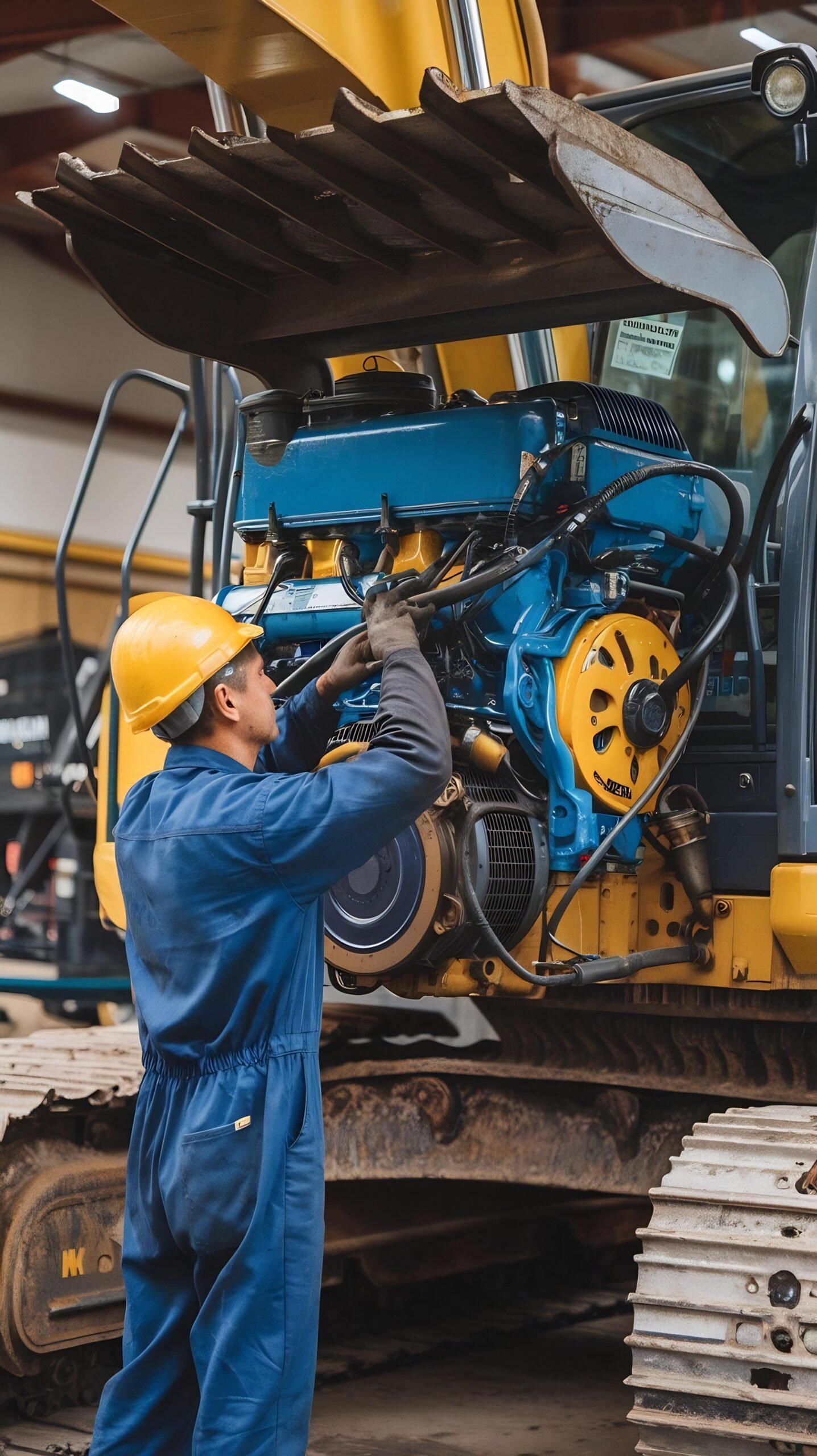
Preventive fleet maintenance is the proactive approach to vehicle upkeep, focusing on regular inspections, servicing, and replacing parts before they fail. This includes routine checks on crucial systems like the engine, brakes, tires, and transmission. The goal is to identify and address potential issues before they escalate into major problems, avoiding costly breakdowns and unscheduled repairs.
The Cost of Reactive Repairs
Reactive repairs, also known as breakdown maintenance, occur when a vehicle or equipment fails unexpectedly, often due to neglect or deferred maintenance. Reactive repairs can be expensive for several reasons:
1. Emergency Repairs Are More Expensive
- When a vehicle breaks down unexpectedly, emergency repairs typically cost more than scheduled maintenance. This is because emergency services often require immediate attention, specialized parts, and the labor to fix an issue on the spot. You may also have to pay for expedited services or overtime charges, driving up costs.
2. Unscheduled Downtime
- Reactive repairs lead to unplanned vehicle downtime. A vehicle out of service means lost revenue, as it’s not available to complete deliveries or transportation services. This disrupts your operations and can negatively affect customer satisfaction if deadlines aren’t met.
3. Increased Repair Costs Due to Extensive Damage
- When a problem is allowed to persist, it often results in more severe damage. For example, a small issue with a vehicle’s brakes that is ignored could turn into a more expensive repair if it leads to complete brake failure or damage to other components. Reactive repairs tend to be much more expensive because they involve fixing not only the failed part but also the collateral damage.
Why Preventive Fleet Maintenance is More Cost-Effective
Preventive fleet maintenance focuses on addressing issues before they become major problems, which leads to long-term savings. Here’s why it’s a smarter and more cost-effective strategy:
1. Extended Vehicle Lifespan
- Regular maintenance helps extend the lifespan of your fleet vehicles. By replacing worn-out parts and addressing potential issues early, you can keep your vehicles running smoothly for years. This delays the need to purchase new vehicles, which can be a significant capital investment.
2. Improved Fuel Efficiency
- Well-maintained vehicles tend to be more fuel-efficient. Regular maintenance, such as keeping tires properly inflated and changing air filters, can improve fuel efficiency by up to 10%. This can result in significant savings on fuel costs over time, which is particularly important for fleets with large vehicle numbers.
3. Reduced Risk of Major Breakdowns
- Preventive maintenance helps identify small issues before they escalate into major breakdowns. By regularly inspecting and servicing your fleet, you catch issues early, preventing more costly repairs down the road. For instance, an oil change or fluid check can prevent engine failure, a major repair that can cost thousands of dollars.
4. Minimised Downtime
- Preventive maintenance reduces the likelihood of unscheduled downtime. Scheduled repairs mean that vehicles can be serviced during off-peak times, ensuring they are ready when needed. With reduced downtime, your fleet remains operational, leading to higher productivity and reduced loss of income due to vehicle unavailability.
5. Enhanced Safety and Compliance
- Regular inspections help keep vehicles safe and in compliance with regulatory standards. This not only ensures the safety of drivers and passengers but also helps avoid costly fines and penalties for non-compliance. Preventive fleet maintenance helps you keep your fleet in top shape, meeting the latest safety regulations and standards.
6. Lower Overall Maintenance Costs
- While preventive maintenance requires an upfront investment of time and resources, it’s far less expensive than the cumulative costs of frequent reactive repairs. By addressing issues early and keeping the fleet well-maintained, you avoid expensive emergency fixes that can add up quickly.
Best Practices for Preventive Fleet Maintenance
To maximize the benefits of preventive maintenance and ensure your fleet operates efficiently, consider the following best practices:
1. Create a Detailed Maintenance Schedule
- Establish a routine maintenance schedule for each vehicle in your fleet based on the manufacturer’s recommendations and operational needs. This includes oil changes, tire rotations, brake inspections, and more.
2. Use Fleet Management Software
- Invest in fleet management software that helps you track maintenance schedules, service history, and upcoming inspections. These tools can send reminders when a vehicle is due for maintenance, ensuring that nothing is overlooked.
3. Train Drivers on Proper Vehicle Care
- Driver habits significantly impact the health of a fleet. Encourage drivers to practice good habits such as avoiding hard braking, reducing idling, and reporting any unusual vehicle behavior immediately. Proper driving techniques can prevent excessive wear and tear.
4. Monitor Vehicle Performance with Telematics
- Use telematics to track vehicle performance in real-time. By collecting data on fuel efficiency, speed, engine health, and more, you can detect any anomalies early and address them before they lead to breakdowns.
5. Maintain Detailed Maintenance Records
- Keep accurate records of all maintenance activities. This not only helps with scheduling but also provides valuable data for identifying trends or recurring issues across your fleet, allowing you to make informed decisions about future maintenance needs.
Conclusion
Investing in preventive fleet maintenance is the most cost-effective strategy for managing a fleet. By addressing small issues before they grow into costly repairs, you extend the life of your vehicles, reduce downtime, and improve fuel efficiency. While reactive repairs may seem necessary when problems arise, they often lead to unexpected costs, lost productivity, and more extensive damage. A proactive approach to fleet maintenance ultimately saves money, enhances safety, and keeps your operations running smoothly.


Leave a Reply